When most San Antonio homeowners think about fire safety, their minds go straight to smoke detectors and maybe a fire extinguisher under the kitchen sink. That’s a solid start. But, there’s an often-overlooked layer of protection sitting right above your head: your attic insulation.
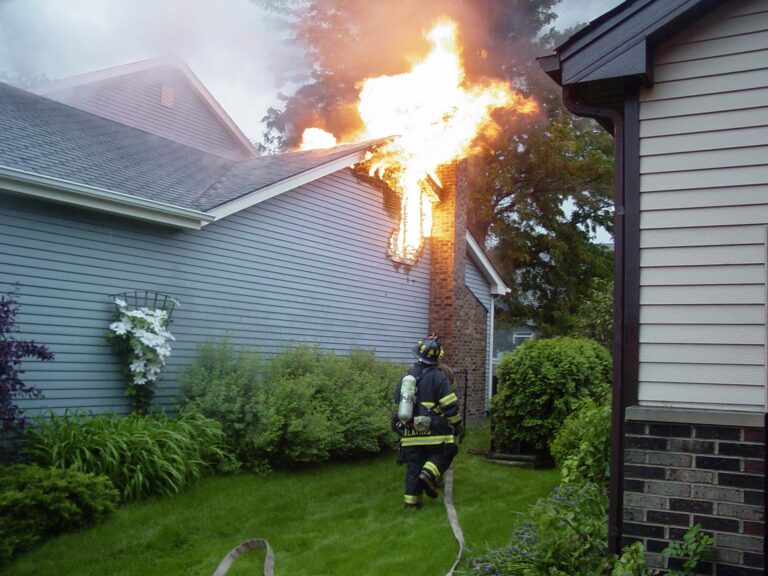
While insulation and fire safety might not seem connected at first glance, they are more intertwined than you’d think. The type, condition, and placement of your insulation directly affects how heat moves through your home, how quickly a fire can spread, and whether your home’s electrical systems are running safely. When paired with functioning smoke and carbon monoxide (CO) detectors, the right insulation strategy becomes one of the smartest investments a homeowner can make.
San Antonio’s Unique Fire Safety Risks
San Antonio is no stranger to heat. Summer temperatures regularly climb above 100°F, and the combination of intense sun, high humidity, and occasional severe weather puts constant stress on homes. This matters for fire safety for a few important reasons.
Extreme heat accelerates wear on electrical wiring, HVAC systems, and appliances, all of which are common ignition sources for residential fires. An attic that reaches 150°F or more on a summer afternoon isn’t just an energy problem. It’s an environment that quietly stresses every component housed within it, from insulation to ductwork to junction boxes.
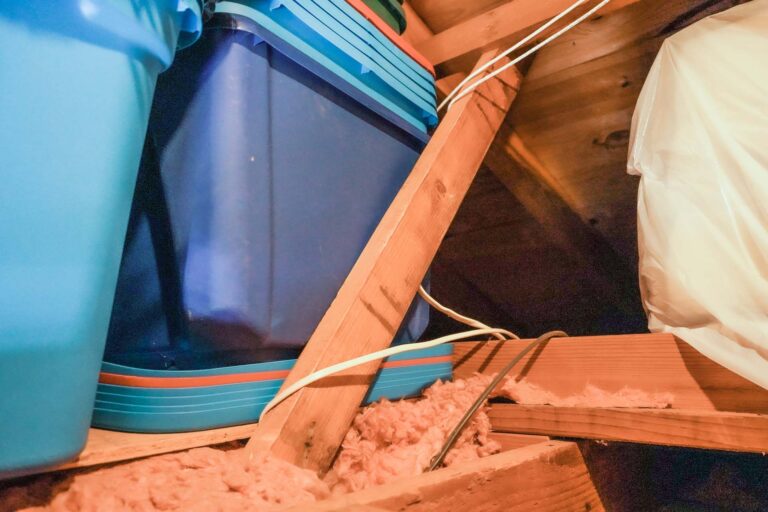
Furthermore, older San Antonio homes, particularly those in neighborhoods like Alamo Heights, Southtown, or Olmos Park, may have outdated or deteriorating insulation that no longer performs its job safely or efficiently. Combined with aging wiring, these conditions create a risk environment that comprehensive insulation upgrades can meaningfully address.
The Hidden Connection Between Insulation and Electrical Safety
Electrical fires account for 6.9% of all residential fires annually, according to the U.S. Fire Administration (USFA), and heat-related deterioration of wiring insulation is a known contributing factor.
With many electrical systems, including HVAC wiring and more, converging in the attic, poor and outdated insulation can contribute to electrical fire risk in several ways:
- Insufficient insulation allows extreme attic heat to build up, which accelerates the breakdown of wire insulation coatings. Over time, this creates bare or brittle wiring that becomes a fire hazard.
- Old or improperly installed insulation may directly contact heat-generating fixtures like recessed can lights that are not rated for insulation contact (IC-rated). This is a known fire risk that proper installation by a qualified contractor addresses.
- Gaps and air leaks in insulation allow hot attic air to flow into living spaces, which contributes to overheating of electrical panels and wiring in wall cavities.
How Insulation Supports Fire Prevention
Insulation plays a quiet but critical role in reducing fire risks, protecting electrical systems, and supporting the effectiveness of safety devices. Here’s how insulation can benefit your home.
Insulation Reduces Electrical Overheating
In the sweltering San Antonio heat, attics can reach temperatures well over 150°F. In this scenario, old, degraded, or poorly installed insulation can sometimes lead to electrical hazards.
On the other hand, when your attic is properly insulated and ventilated, it reduces the thermal stress on your home’s electrical wiring. Professional installation ensures that insulation is kept a safe distance from recessed lighting (unless IC-rated) and junction boxes, which prevents the heat buildup that often triggers electrical fires.
Insulation Slows Fire and Smoke Spread
While insulation is not a substitute for fire-rated assemblies, certain insulation types can help slow the movement of fire and smoke through a home.
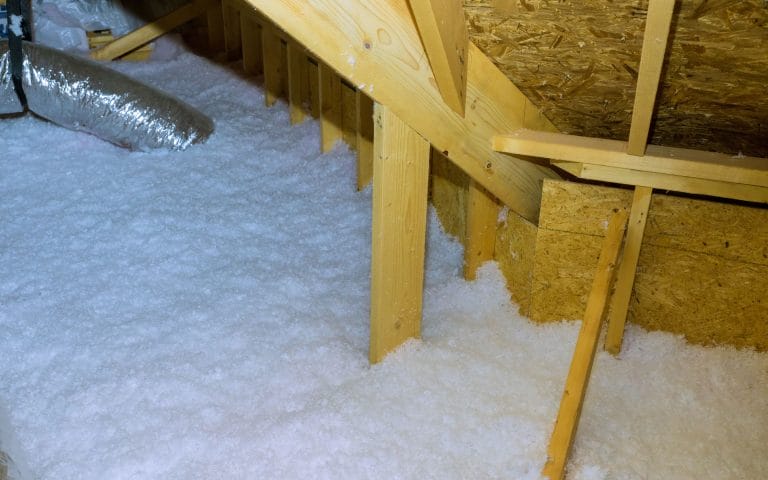
- Spray foam insulation expands to fill gaps and cracks. This air seal limits airflow that could otherwise feed flames or allow smoke to spread rapidly.
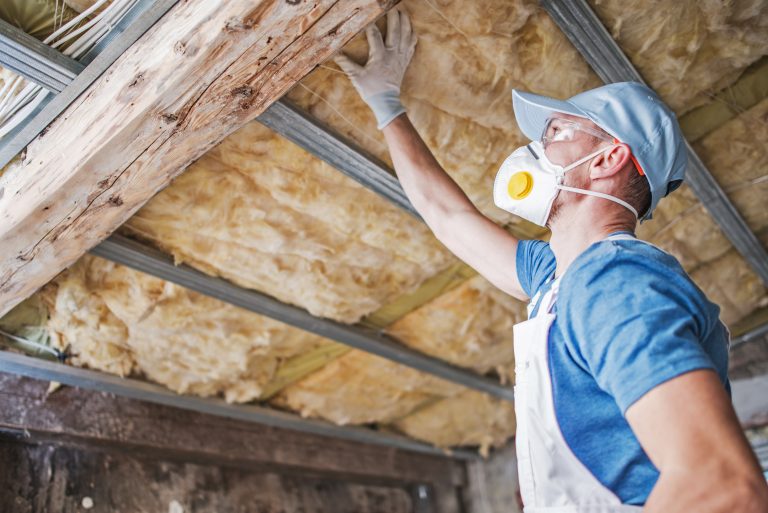
- Fiberglass insulation is naturally non-combustible. Because it doesn’t feed a fire, it acts as a passive layer of protection within your surfaces.
- Radiant barriers are primarily used to reflect heat rather than absorb it, which helps reduce extreme temperature buildup in attic spaces, i.e., it keeps your attic cool. Being also often fire-rated, they can add an extra layer of protection to your roofing assembly.
Slowing fire and smoke movement, even slightly, can provide valuable extra time for occupants to escape after a smoke alarm sounds.
Insulation Supports Smoke and CO Detector Effectiveness
Smoke and carbon monoxide detectors are designed to detect danger early, but insulation helps create the conditions that allow those warnings to matter.
Proper insulation can:
- Improve indoor air stability so smoke travels predictably to detectors,
- Reduce HVAC backdrafting issues that affect CO detector readings, and
- Prevent extreme temperature swings that shorten detector lifespan.
In well-insulated homes, safety systems tend to operate more consistently and reliably.
Insulation as Part of a Complete Home Safety Plan
Home safety works best when systems support each other. Insulation shouldn’t be viewed separately from fire safety. It should be considered alongside it.
A well-rounded home safety approach includes:
- Properly installed smoke detectors on every level of the home,
- CO detectors near bedrooms and fuel-burning appliances,
- Updated electrical systems and wiring inspections,
- Quality attic insulation to manage heat and airflow, and
- Regular HVAC maintenance.
When insulation upgrades are paired with modern safety devices, homeowners gain peace of mind along with better comfort and energy savings.
When to Consider an Insulation Upgrade
You may want to evaluate your attic insulation if:
- Your home feels excessively hot in summer despite running the AC,
- You notice unusually high energy bills,
- Your home is older or hasn’t had insulation updated in years,
- You’re upgrading smoke detectors or CO alarms, and
- You’re planning general home safety or efficiency improvements.
Insulation upgrades are often easiest and most cost-effective when done proactively rather than after a problem occurs.
The Geo-Insulation Approach to Safer, More Efficient San Antonio Homes
At Geo-Insulation, LLC, our goal is straightforward: Help San Antonio homeowners achieve homes that are more comfortable, more energy-efficient, and safer season after season.
We offer three core insulation solutions tailored to the specific demands of the South Texas climate:
- Spray foam insulation for superior air sealing, high R-value performance, and fire-resistant properties when installed with the appropriate thermal barriers.
- Radiant barrier installation for dramatic reduction of attic heat gain, protecting your HVAC system, wiring, and structural components from extreme thermal stress.
- Fiberglass insulation for cost-effective, non-combustible thermal protection that can be installed quickly in existing homes with minimal disruption.
Every project we take on includes an honest assessment of your current insulation and a recommendation designed around your specific home, budget, and goals. We don’t believe in one-size-fits-all solutions because San Antonio homes are as diverse as the neighborhoods they occupy, and your insulation plan should reflect that.
Secure Your Home Today
Fire safety is not a single product or checkbox. It is a system, and insulation is a legitimate, meaningful part of that system. A well-insulated attic reduces the thermal stress that degrades your electrical wiring. Spray foam’s air-sealing properties limit the oxygen pathways that help fire spread. Non-combustible fiberglass batts provide passive thermal barriers between living spaces. And a cooler, better-performing home is one that puts less strain on every system within it.
Pair that with properly placed, up-to-date smoke and CO detectors, a practiced escape plan, and annual system maintenance, and you’ve built a home that is genuinely safer from the inside out.
If you’re a San Antonio homeowner who hasn’t thought about insulation as part of your safety plan before, now is a great time to start. Geo-Insulation, LLC is here to help.
| Ready to Make Your San Antonio Home Safer and More Efficient? Contact Geo-Insulation, LLC today for a free attic assessment and insulation consultation. Serving homeowners throughout the greater San Antonio area. Schedule Your Free Consultation → |