If you’re trying to recycle insulation, it helps to know which materials can be reused, which can be recycled, and which should be replaced. Those who are planning to insulate their homes would often ask if insulation materials can be recycled. We always seek ways to save up on money, especially when we do home repairs like insulation. Environmental concerns are also the reason why people want to reuse and recycle home insulation. We want to live in a comfortable home, but at the same time, this home needs to be eco-friendly as well.
If you plan to reuse or recycle your old insulation, these are some things you need to remember.
Cellulose insulation is Reusable but not Recyclable.
Cellulose insulation is reusable. Yes! You read it right. Cellulose insulation is reusable because it is made from recycled materials too. They are typically made of 80% recycled newsprint and 20% fire-retardant materials. Producing this material also uses less energy than other types of insulation. As long as the cellulose insulation is not damaged, it can be reused and repurposed. Using cellulose insulation has a low rate of material waste. Thus, it is reusable.
In terms of recyclability, cellulose insulators are not recyclable because of their fire-retardant state.
How to Tell If Old Insulation Can Be Reused
If you’re trying to recycle insulation, it’s important to know when reuse is actually safe. In some cases, old insulation can be reused, but only if it’s clean, dry, and still able to do its job. Before you reinstall anything, check for these common warning signs.
Signs insulation should NOT be reused
- Moisture or water stains: If insulation looks wet, feels damp, or has discoloration, it may hold moisture and can lead to mold issues.
- Mold or musty smell: Any visible mold, dark spotting, or a persistent musty odor is a clear sign it should be removed and replaced.
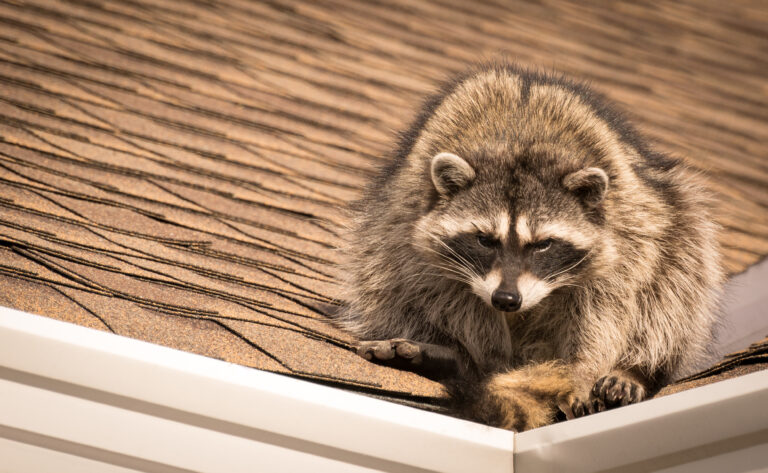
- Pest activity: Droppings, nesting material, tunnels, or strong ammonia-like odors can mean contamination from rodents or insects.
- Compressed or matted material: If insulation has been crushed, flattened, or packed down, it won’t insulate as well and often won’t rebound to the right thickness.
- Dirty or contaminated insulation: Heavy dust, soot, or debris can reduce performance and may affect indoor air quality.
- Age and performance concerns: Even if insulation looks “fine,” very old material may not perform like newer options, especially if it’s been disturbed or shifted over time.
When old insulation is usually safe to reuse
- It is dry, odor-free, and free of mold
- There are no signs of pests
- It is not compressed and still has its original thickness
- It is clean and intact (no crumbling, missing sections, or major gaps)
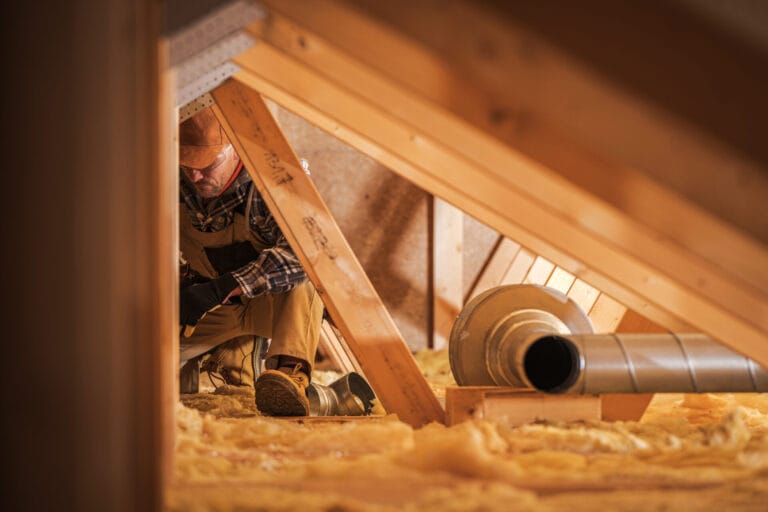
If you’re unsure, the safest move is to have a professional take a quick look before you decide to reuse or recycle insulation.
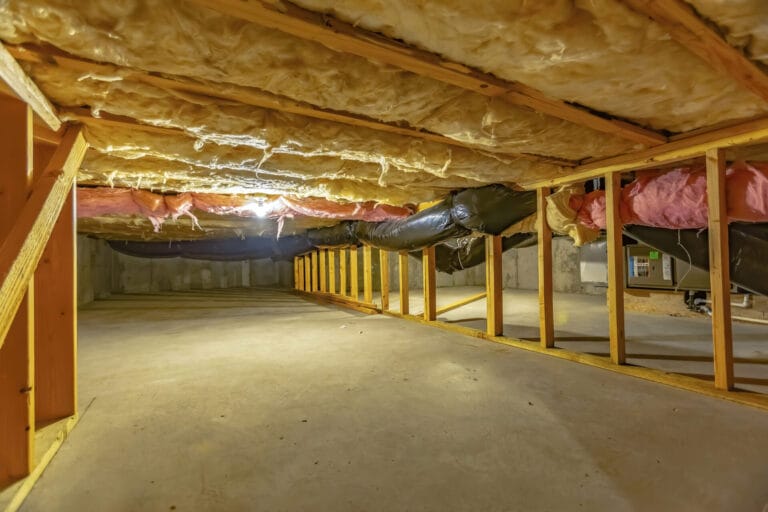
Fiberglass insulation can be reused and recycled.
Fiberglass insulation can be reused. Like cellulose, fiberglass insulation is also made with recycled materials. Still, to reuse fiberglass insulation, it should be in good condition. The material should not have been compromised. There is an essential factor you need to secure before reusing the fiberglass insulation. It should not be severely matted down or compressed. If it is severely compressed, the value of thermal effectiveness and moisture control will not be determined. If planning to reuse this material, an expert’s opinion will always be valuable.
The best thing about fiberglass insulation is that they are recyclable. Although they can be recycled, only a few counties accept fiberglass insulation for recycling.
The recyclability and reusability of insulation materials depend on their composition. Cellulose insulations are reusable, yet they are not recyclable because of their fire-retardant state. Fiberglass insulation can be both reused and recycled. It is always recommended to ask for expert advice before reusing and recycling insulation materials.