Good insulation keeps your home comfortable and your energy bills under control. When it feels like your home is working against you instead of with you, these may be signs of poor insulation, especially in homes with insulation that is already decades old.
If you’re thinking of hiring a demolition crew just to find out, stop. You don’t need to rip out or tear down walls to figure out if it’s time to upgrade your insulation.
That’s because most heat gain/loss happens through the attic, gaps, and exterior walls’ interfaces (windows, doors, recessed lights). This means a lot of useful inspection can be done from accessible spaces, such as the attic, basement, around windows and outlets, and by analyzing performance data like energy bills and HVAC runtime.
Below are simple, non-invasive methods you can use to identify insulation problems, no demolition required.
Signs of Poor Insulation #1: The ‘Hot & Cold Spots’ Test
This is the most direct way to tell if your insulation is failing: Walk through your home on a hot or cold day and either bring a thermometer with you or feel the temperature in the room using your hands. Are some rooms significantly warmer or cooler than others, even if the thermostat is set correctly?
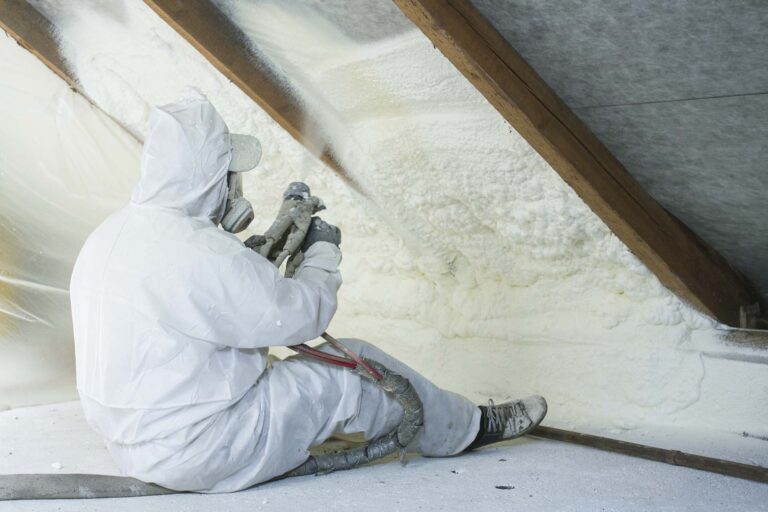
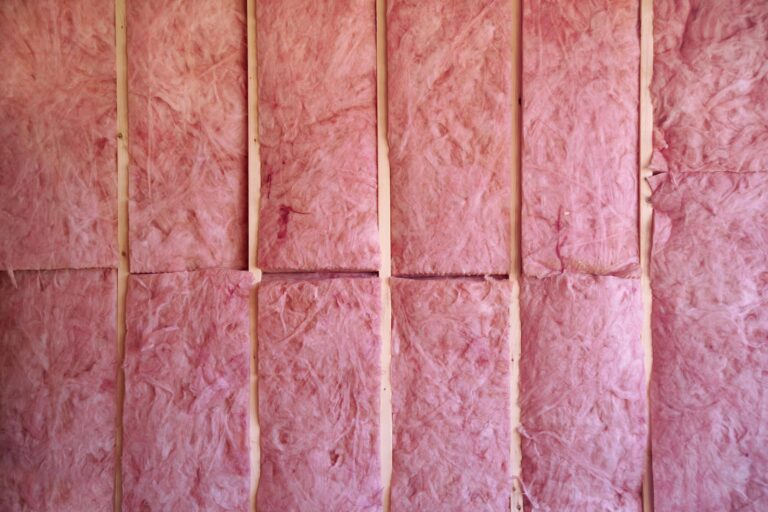
Pay special attention to rooms above a garage, rooms with exterior walls, or areas near the attic access. Inconsistent temperatures mean your current insulation is not maintaining a uniform thermal barrier. This is a common sign that older fiberglass batts might have settled or that you have air gaps that a modern solution like spray foam could easily seal.
Option 1: The Touch Test
One of the simplest ways to check insulation effectiveness is with your own hands. During extreme weather, walk through your home and touch interior walls, ceilings, and floors.
What you’re feeling for:
- Interior surfaces should feel warm and dry during summer, and cool and dry during winter.
- Exterior walls should feel noticeably cooler than interior walls in winter (this means insulation is keeping heat inside where it belongs).
- Cold, damp, or sweaty interior surfaces indicate insulation problems.
- Significant temperature differences between rooms suggest uneven or inadequate insulation.
The best time to perform this test is early morning or late evening when outdoor temperatures are at their most extreme. If your interior drywall feels cold and clammy in winter or hot to the touch in summer, that’s a red flag.
Option 2: The Room-by-Room Temperature Check
Grab a basic thermometer and take readings in different rooms throughout your home. Write down the temperature in each space at the same time of day.
What to look for:
- More than 3- to 5-degree differences between rooms on the same floor.
- Upstairs rooms that feel like saunas in summer.
- Certain rooms that are perpetually cold or hot regardless of season.
- Spaces above garages or below attics that have extreme temperatures.
Consistent temperature throughout your home is a hallmark of effective insulation. When certain rooms feel noticeably different, it often indicates insulation gaps, settling, or inadequate coverage in walls, attics, or crawl spaces.
The Ice Dams and Roof Check (Winter Only)
During winter or rare freezing events, ice dams forming on your roof edges are a telltale sign of insulation and ventilation problems. When heat escapes through inadequate attic insulation, it warms your roof and melts the snow on it. That water then refreezes at the colder eaves, creating large icicles and ice chunks.
What to look for:
- Large icicles hanging from gutters and roof edges,
- Uneven snow melt patterns on your roof, i.e., some areas melt faster than others, and
- Significant differences between your roof and those of your neighbors facing the same direction.
Unwanted heat loss is the result of insufficient insulation because, ideally, the heat should stay in your living space. So, this is a crucial sign that it’s time to replace your insulation and consider adding a radiant barrier to the attic roofline to reflect radiant heat out of the space.
#2: The Sky-High Energy Bill Investigation
While appliance efficiency plays a role, a sudden or steady increase in energy use is often the first major indicator of failing or inadequate insulation. This is the clue that hits your wallet the hardest.
Pull up your energy statements or utility bills over the last 12-24 months and look for patterns. Are your heating or cooling costs steadily increasing even though your usage habits haven’t changed?
Look for the following warning signs:
- Bills that have increased 15-20% or more without rate hikes or usage changes,
- Summer cooling costs that seem disproportionate to the weather,
- Your HVAC system running almost constantly yet struggling to maintain temperature, and
- Significant spikes during peak summer and winter months.
If your bills keep climbing despite conservative thermostat settings, inadequate insulation is likely forcing your HVAC system to work overtime because conditioned air is escaping, or outside heat is pouring in. Investing in a spray foam upgrade can often dramatically reduce this energy waste.
The Hunt for an Air Leak
Insulation’s primary job is to create a tight thermal envelope. Air leaks compromise that entirely.
On a breezy or windy day, or using an incense stick on a calm day, walk around your home searching for air movement.
Common problem areas include:
- Around windows and door frames,
- Electrical outlets and light switches on exterior walls,
- Where walls meet ceilings or floors,
- Around recessed lighting fixtures,
- Where plumbing vents enter your walls and near other plumbing penetrations, and
- At baseboards along exterior walls.
Hold your incense stick or hold the back of your hand near these areas. If you feel air movement or see smoke being pulled in a direction, you’ve found an air leak. While some drafts result from poor sealing, they often accompany inadequate or damaged insulation. This is where a professional, air-sealing product like spray foam insulation excels by stopping air leakage and providing superior thermal resistance simultaneously.
The ‘Smell & Sound’ Check
Your nose and ears can tell you a lot about your home’s forgotten spaces. Use these two senses to check your attic, which is the easiest place to visually inspect insulation without demolition.
You’ll need a flashlight, measuring tape, and protective gear including gloves, a dust mask, and long sleeves. [Safety first: Only walk on joists or sturdy platforms. Don’t step between joists—You could fall through your ceiling.]
What to check:
- Material should be fluffy and evenly distributed with no compressed areas,
- Look for gaps, low spots, or bare patches where insulation has settled,
- Check for dark stains indicating water damage or mold,
- Look for evidence of pests (droppings, nests, torn material),
- Inspect around recessed lights, plumbing vents, and chimneys for gaps, and
- Check for a strong, musty smell and outside noise (traffic, neighborhood activities) louder than it used to be.
If you can see the tops of your floor joists, you likely need more insulation. Effective attic insulation should completely cover the joists and maintain consistent depth throughout the space.
In addition, excessive moisture or noise in the attic can indicate a number of problems, but inadequate insulation is often the culprit. Modern, high-density insulation materials, such as certain fiberglass or spray foam applications, offer superior sound-damping properties compared to old, loose-fill materials.
Is your home showing signs of Poor Insulation? Ready to Transform Your Home?
If your home failed a few of the non-invasive checks above, it’s a strong sign that your aging insulation is costing you money and comfort every single day.
Don’t wait for your next energy bill to confirm your suspicions. The experts at Geo-Insulation, LLC specialize in providing customized, professional solutions for San Antonio homes, including:
- Spray foam insulation: The premium solution for air-sealing, superior R-value, and structural integrity
- Radiant barrier: An essential, cost-effective addition to keep the intense Texas sun out of your attic
- Fiberglass insulation: Modern, efficient options for traditional wall and attic applications
The best way to know for sure that you have insulation issues is through a professional, free, in-home assessment. We can inspect your attic and crawl spaces and provide a detailed plan to get your energy costs under control.
Stop leaking money and start living comfortably! Contact Geo-Insulation, LLC today to schedule your free estimate.